the cold, corporate machinery that protects harmful leaders
When the “leader” is the toxic employee, the entire system bends around their behavior. HR absorbs their narrative.Teams adapt to their dysfunction. And anyone who speaks up becomes “the problem.”
What’s wild is how many people have lived this exact pattern — yet still feel isolated inside it. Not because the experience is rare, but because the silence around it is loud.
This isn’t about sensitivity. It’s about systemic protection of harmful leadership.
Toxic Leadership Patterns:
Narrative Control — rewriting events, shaping perception, framing dissent as “inappropriate behavior.”
Proximity Protection — alliances that shield harmful behavior.
Chaos as Strategy — confusion, shifting expectations, emotional unpredictability.
There’s a strange irony in the workplace: The people who talk the most about “soft skills” are often the ones who understand them the least.
I learned this early in my career — not because I lacked soft skills, but because I invested in them. I studied organizational development. I learned how systems shape behavior. I learned how power dynamics influence communication. I learned how emotional intelligence stabilizes teams.
And yet, the people quickest to question my soft skills were the ones who had never studied leadership beyond their own authority.
That’s when I realized something important:
Soft skills aren’t soft. They’re strategic. And most leaders misinterpret them because they’ve never been trained to recognize them.
1. Soft Skills Are Organizational Skills
When I took my OD course, I wasn’t learning how to “be nice.” I was learning how organizations actually function:
how conflict escalates
how communication breaks down
how power is used and misused
how people respond to unclear expectations
how emotional regulation shapes team culture
These aren’t personality traits. These are leadership competencies.
But in many workplaces, soft skills get reduced to:
“Be pleasant.” “Don’t rock the boat.” “Smile more.” “Stay quiet.” “Don’t take things personally.”
That’s not leadership. That’s compliance.
2. High‑EQ Employees Get Misread by Low‑EQ Leaders
Here’s the part no one says out loud:
Emotionally intelligent employees often get misinterpreted by leaders who lack emotional intelligence.
Why?
Because high‑EQ people:
notice patterns
name the real issue
ask clarifying questions
sense tension in the room
understand unspoken dynamics
refuse to participate in dysfunction
To an untrained leader, this looks like:
“overthinking”
“being sensitive”
“making things deeper than they are”
“being emotional”
“doing too much”
But what’s actually happening is this:
The high‑EQ employee is reading the system. The low‑EQ leader is reacting to the discomfort of being seen.
3. Soft Skills Are the Hardest Skills to Teach
Organizational development taught me something that changed everything:
You can train someone to use a tool. You can’t train someone to regulate their ego in a meeting.
That’s why true soft skills are the hardest skills to teach — and the easiest for insecure leaders to dismiss or misinterpret.
4. Leadership Misinterpretation Is a Systems Problem
When leaders misinterpret soft skills, it’s not a personal failure. It’s a systems failure.
Most leaders were never taught:
how to read emotional cues
how to navigate conflict
how to communicate expectations
how to manage their own reactions
how to build trust
how to create alignment
So when they encounter someone who has those skills, they don’t recognize them as strengths.
They see them as threats.
Organizational development gave me the language for this. It taught me that misinterpretation is not about the individual — it’s about the system they’re operating in.
5. Soft Skills Are Leadership Skills
Here’s the truth I wish more organizations understood:
Soft skills are not optional. They are the foundation of effective leadership.
They are:
behavioral competencies
relational competencies
cognitive competencies
self‑management competencies
systems‑thinking competencies
They determine whether a leader can:
communicate clearly
navigate complexity
build trust
reduce friction
stabilize a team
make decisions that stick
Soft skills aren’t soft. They’re structural.
They’re the difference between a team that survives and a team that thrives.
If this resonates…
I write about:
clarity
alignment
operational calm
emotional intelligence
leadership misinterpretation
organizational behavior
and the systems underneath workplace dynamics
Because the truth is simple:
Soft skills are not the “nice‑to‑haves.” They are the work.
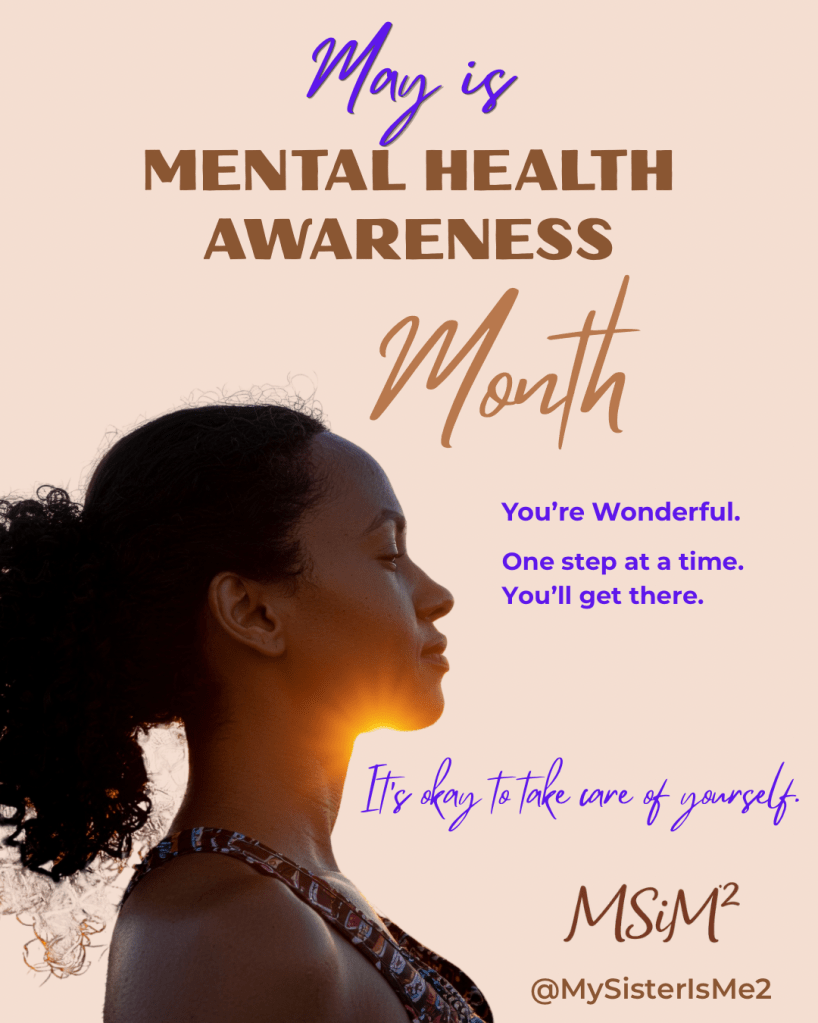
May is Mental Health Month — and naming what’s real is the first act of liberation.
This month is not about pretending everything is fine. It’s about telling the truth your body has been holding 🫂 The truth that’s been whispering 💬 The truth that’s been heavy 💪🏼 The truth that deserves air ⛓️💥
Honesty is not a threat to your becoming — it’s the doorway into it.
Most who know me know I have always rocked short hair cuts. Recalling when I first posted to Facebook, a classmate commented that my cut made me look old.
Screenshot
I almost listened to him! Needless to say, I un-friended him. My short cut stayed, he did not.
There’s a particular kind of exhaustion that comes from enduring a toxic workplace—especially when the toxicity wears a nameplate and holds a title. A bullying manager doesn’t just challenge your performance; they chip away at your spirit. The constant microaggressions, gaslighting, and power plays create an environment thick with low-vibration energy. It’s not just unprofessional—it’s spiritually corrosive.
🧠 The Mental Toll: When Work Becomes War
You start second-guessing your instincts. Your confidence shrinks. You rehearse conversations in your head, trying to anticipate the next attack. You feel like you’re walking on eggshells, even when you’re doing your job well. This isn’t just stress—it’s trauma. And it doesn’t clock out when you do.
🌫️ The Spiritual Drain: Low Vibration Energy in Action
Low vibration energy shows up as:
• Chronic fatigue and emotional numbness
• Self-doubt disguised as “professional humility”
• A shrinking sense of purpose
• Feeling disconnected from your intuition and creativity
It’s the kind of energy that dims your inner light and makes you forget who you are.
🔥 The Shift: Choosing Healing Over Hustle
Surviving a toxic workplace isn’t just about quitting or filing a complaint. It’s about reclaiming your energetic sovereignty. Here’s how:
1. Name the Experience
Call it what it is: bullying, manipulation, toxicity. Naming it breaks the spell of confusion and gaslighting.
2. Cleanse Your Energy
Whether it’s journaling, breathwork, or a full moon release ritual, find a practice that helps you shed the residue of that environment. You’re not just leaving a job—you’re detoxing your spirit.
3. Affirm Your Worth
Create affirmations that speak directly to the wounds:
• “I am safe to speak my truth.”
• “My intuition is valid and powerful.”
• “I release what no longer serves me.”
These aren’t just words—they’re energetic recalibrations.
4. Rebuild with Intention
When you’re ready to re-enter the professional world, do so with boundaries, clarity, and a renewed sense of self. You’re not just looking for a job—you’re curating a space where your light can thrive.
🌟 Closing Reflection: You Are the Medicine
The most powerful thing you can do after surviving a toxic workplace is to alchemize that pain into purpose. Your story becomes a guidepost for others. Your healing becomes a ripple effect. And your light—once dimmed—is now a beacon.
You didn’t just survive. You transmuted. You rose.
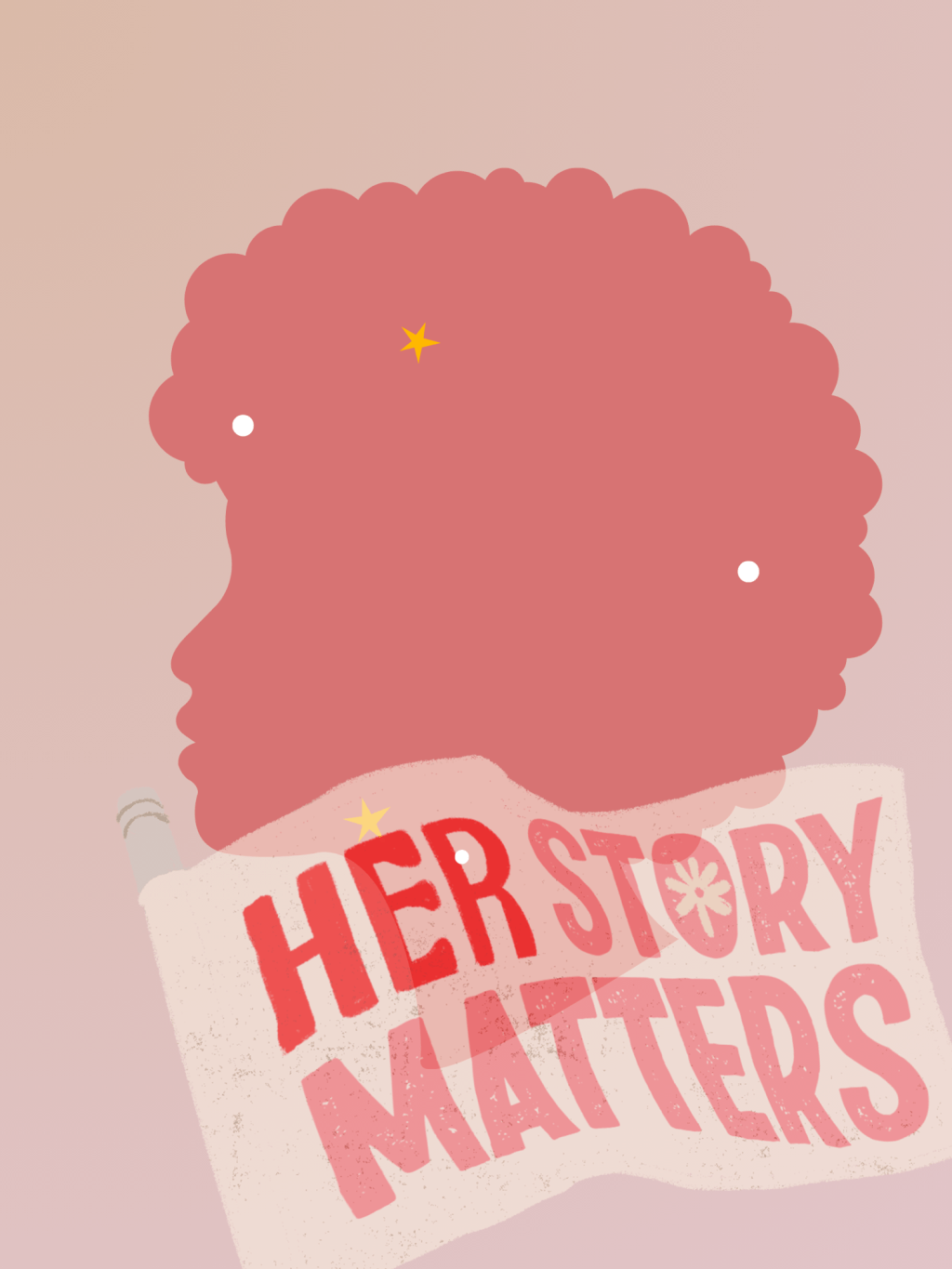
If you’ve experienced something similar, you’re not alone. Your story matters whether speaking it out loud or writing it down privately in a journal. Take your power back.
Let’s shift this narrative together. What was your journey to healing? Drop a comment or to show support 🎗️.
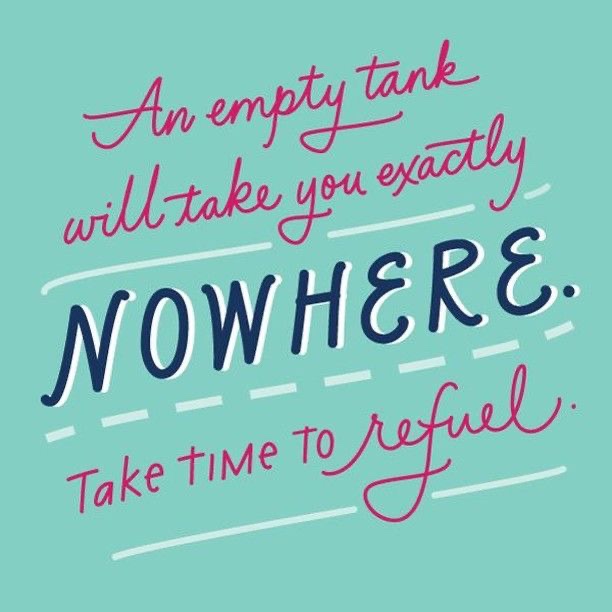
Anyone with a caring heart can feel it’s selfish to put self before others. In fact, it’s the opposite. If our tank is empty, how can we help anyone else. So let’s keep our tanks full. Find time, No MAKE Time for self. Self-care is not Selfish; it is Self-Preservation!






You must be logged in to post a comment.